Rohit Eye Hospital

Category: Uncategorized

  • LASIK vs Glasses: Why Many People in Indore Are Choosing Laser Eye Surgery

    LASIK vs Glasses: Why Many People in Indore Are Choosing Laser Eye Surgery

    Glasses have been a trusted solution for blurry vision for centuries. They work, they are familiar, and for many people they have simply become part of who they are. But a quiet revolution is taking place in eye care — and it is happening right here in Indore.

    More and more people are walking through the doors of eye clinics not to update their prescription, but to ask one question: can I get rid of my glasses for good? The answer, for the vast majority of suitable candidates, is a resounding yes — thanks to LASIK laser eye surgery.

    The LASIK vs glasses debate is one of the most common conversations our doctors have at Rohit Eye Hospital every single day. Both are legitimate options for correcting refractive errors like myopia, hyperopia, and astigmatism. But they are fundamentally different in what they offer, what they cost over time, and how they affect your day-to-day life.

    In this comprehensive guide, we break down the real differences between laser eye surgery vs glasses, explore the key LASIK surgery benefits, and help you understand why LASIK vision correction has become the choice of an ever-growing number of patients seeking the best quality of life — without the daily frustration of frames and lenses.

    Understanding the Basics: How Do Glasses and LASIK Work?

    How Glasses (and Contact Lenses) Work

    Glasses and contact lenses are external corrective devices. They work by bending (refracting) incoming light before it enters the eye, compensating for the eye’s refractive error and helping light focus correctly on the retina. They do not change the eye itself — they simply sit in front of it (or on it, in the case of contacts) and redirect light.

    Glasses are effective and safe but they are a daily aid, not a cure. Remove them and your blurred vision returns immediately. Your prescription is likely to change over time, requiring regular updates and new lenses.

    How LASIK Laser Eye Surgery Works

    LASIK (Laser-Assisted In Situ Keratomileusis) takes a fundamentally different approach. Instead of redirecting light outside the eye, it permanently reshapes the cornea — the transparent front surface of your eye — so that light focuses precisely on the retina without any external aid.

    Using an ultra-precise excimer laser guided by a detailed map of your cornea, the surgeon removes microscopic amounts of corneal tissue to correct your specific prescription. The result is a permanent change to the optical structure of your eye. For most patients, this means waking up the very next morning with clear, unaided vision — often 6/6 or better.

    LASIK vs Glasses: A Detailed Side-by-Side Comparison

    CategoryLASIK SurgeryGlasses / Contact Lenses
    Vision qualitySharp, natural, unaided — often 6/6 or betterGood but dependent on frame alignment and lens quality
    ConvenienceNo daily routine — wake up and see clearlyMust be worn every waking moment; easy to forget or misplace
    Long-term costOne-time investment; no recurring costsOngoing cost: new frames, lenses, solutions every 1–2 years
    Physical comfortNo pressure on nose/ears; no fogging or slippingDiscomfort in heat, rain, sports; fogging with masks
    Sports & outdoor activityIdeal — no restrictions after recoveryRisk of breakage; limits certain sports and activities
    Night vision / opticsExcellent with advanced Contoura LASIKReflections, glare from frame edges and thick lenses
    Peripheral visionFull, natural 360° visionLimited by frame edges; distortion at lens periphery
    AppearanceNo change to appearanceFrames may not suit all face types or preferences
    Recovery time24–48 hours; most resume work in 2 daysImmediate — no recovery needed
    PermanencePermanent corneal correctionRequires regular updates as prescription changes
    Dependence on prescriptionEliminated for most patientsLifelong dependence on updated prescriptions

    LASIK Surgery Benefits: The Real Reasons People Are Switching

    The numbers speak for themselves — LASIK is one of the most commonly performed elective surgical procedures in the world, with over 40 million procedures done globally. Here is why patients at our LASIK eye clinic in Indore consistently choose laser eye surgery over continuing with glasses:

    1. Freedom and Spontaneity

    Ask anyone who has had LASIK what surprised them most, and the answer is almost always the same: the freedom. No more reaching for glasses first thing in the morning. No more panic when you cannot find them. No more awkward moments at the pool or beach. No more fogged-up lenses on a cold morning or in a humid Indore summer.

    LASIK gives you the ability to simply open your eyes and see — clearly, immediately, without any apparatus between you and the world. This spontaneous quality of life improvement is consistently rated as one of the top LASIK surgery benefits by patients after the procedure.

    2. Superior Visual Quality

    Glasses correct your central vision well but come with inherent optical limitations. The edges of lenses introduce distortion. Frames create blind spots in peripheral vision. Thick lenses magnify or minify objects subtly. Smudges, scratches, and misalignment further compromise clarity.

    Advanced LASIK vision correction — especially Contoura Vision and Wavelight Plus Innoveyes LASIK available at Rohit Eye Hospital — goes beyond simply matching your glasses prescription. It corrects higher-order aberrations: subtle corneal irregularities that glasses simply cannot address. Many patients report that their vision after LASIK is actually sharper and crisper than what their best glasses ever delivered, particularly in low-light conditions.

    3. Long-Term Cost Savings

    This is a LASIK surgery benefit that many people overlook when comparing laser eye surgery vs glasses. Glasses feel affordable because the cost is spread out over time — but when you add it up across a lifetime, the picture changes dramatically.

    Consider the recurring expenses of being a glasses wearer:

    •   New frames every 2–3 years (often ₹2,000–₹15,000 or more for quality frames)

    •   Updated lenses every 1–2 years as prescription changes (₹3,000–₹12,000 for progressive or anti-reflection lenses)

    •   Contact lens costs: lenses, solutions, cases — ₹6,000–₹20,000 per year

    •   Backup pairs of glasses

    •   Specialist consultations for prescription updates

    Over 10–15 years, a glasses wearer may spend ₹80,000 to ₹2,50,000 or more. A single LASIK surgery in Indore is a one-time investment — and once done, the ongoing costs are essentially zero. For most patients, LASIK pays for itself within five to seven years.

    4. Ideal for an Active Lifestyle

    Indore is a city on the move — and whether you are a cricket enthusiast at Nehru Stadium, a swimmer, a gym regular, a cyclist on the Narmada cycle track, or simply someone who lives a fast-paced professional life, glasses can genuinely get in the way.

    Contact lenses, while helpful for sports, carry their own risks during outdoor activities including dust, debris, and infection — especially in Indore’s climate. LASIK laser eye surgery advantages include unrestricted participation in virtually any sport or physical activity after a short recovery period, without the worry of broken frames or displaced lenses.

    5. Professional and Social Confidence

    While glasses are widely accepted — and even fashionable — many patients report that having spectacle-free vision has a meaningful positive impact on their personal and professional confidence. From job interviews to wedding photographs, from presentations to first impressions, many patients simply feel more confident without frames on their face.

    6. Safety in Emergencies

    A less commonly discussed but very real laser eye surgery advantage: in an emergency situation — a fire, a medical event, a fall in the night — the ability to see clearly without needing to locate and put on glasses can genuinely matter. Patients who have had LASIK consistently describe a deeper sense of security knowing their vision is always with them.

    Addressing Common Concerns: Is LASIK Really Better Than Glasses?

    The LASIK vs glasses question is not always straightforward. Some patients have genuine concerns about laser eye surgery that deserve honest answers.

    Concern 1: ‘LASIK is too expensive’

    Reality: LASIK surgery in Indore is a one-time cost, typically ranging from ₹15,000 to ₹55,000 per eye depending on the technology chosen. When compared against a lifetime of recurring glasses and contact lens expenses, most patients find that LASIK is more economical over a 7–10 year period. Our team at Rohit Eye Hospital always provides a transparent cost breakdown so you can make an informed decision.

    Concern 2: ‘LASIK is risky’

    Reality: LASIK is one of the most studied and refined surgical procedures in medicine. Serious complications are rare — especially when performed on properly screened candidates by experienced surgeons using advanced technology. At Rohit Eye Hospital, every patient undergoes a thorough pre-operative assessment. We decline to perform LASIK on patients who are not suitable candidates, because your safety is our highest priority.

    Concern 3: ‘My prescription is too high for LASIK’

    Reality: LASIK can treat myopia up to approximately -10D, hyperopia up to +4D, and astigmatism up to 5D. Patients outside these ranges may be suitable for alternative procedures such as Phakic IOL, Clear Lens Extraction, or Trans PRK. There are very few patients for whom no surgical vision correction option exists.

    Concern 4: ‘I will still need reading glasses after 40’

    Reality: This is true for patients who develop presbyopia (age-related near vision loss), which affects virtually everyone after 40. However, LASIK corrects your distance vision. Presbyopia is a separate condition caused by lens stiffening — not the cornea — and is independent of LASIK. Options such as monovision LASIK or PRESBYOND can address this. Our team will explain your full range of options clearly during consultation.

    Concern 5: ‘What if LASIK wears off over time?’

    Reality: LASIK permanently changes the shape of your cornea. The surgery itself does not wear off. However, if your prescription was not fully stable at the time of surgery, or if your eyes continue to change naturally with age, an enhancement procedure may occasionally be needed. This is why we recommend LASIK only for patients with a stable prescription.

    Is LASIK Right for You? Candidacy at a Glance

    LASIK vision correction is not for everyone — and a responsible eye hospital will tell you that honestly. Here is a quick overview of who typically benefits most from LASIK surgery in Indore:

    CategoryLASIK SurgeryGlasses / Contact Lenses
    Age18–45 years (ideally 21+)Any age
    PrescriptionMyopia up to -10D, Hyperopia up to +4D, Astigmatism up to 5DAll prescriptions
    Corneal thicknessMust be adequate for safe ablationNot applicable
    Prescription stabilityStable for at least 12 monthsCan change anytime (new lenses needed)
    Dry eyeMild to none; moderate-severe may be excludedNo restriction
    LifestyleActive, sports-oriented, professionalSuitable for all lifestyles
    MotivationStrong desire to be spectacle-freeHappy with visual aid dependence

    The only way to know for certain whether you are a suitable LASIK candidate is a comprehensive pre-operative evaluation. Our team at Rohit Eye Hospital offers thorough pre-LASIK screenings including corneal topography, pachymetry, dry eye assessment, and refraction analysis.

    LASIK Surgery in Indore: Why Rohit Eye Hospital?

    Choosing where to have LASIK is just as important as choosing to have it. Here is why patients across Indore and Central India trust Rohit Eye Hospital for LASIK vision correction:

    •   30+ years of ophthalmology excellence — established in 1991

    •   First NABH-accredited eye hospital in Indore and first ECO-category NABH accreditation in Madhya Pradesh (2021)

    •   State-of-the-art Wavelight Plus Innoveyes laser platform — one of the fastest, most precise excimer laser systems in India

    •   Bladeless Contoura Vision LASIK — topography-guided for superior quality of vision

    •   Conventional / Microkeratome LASIK for cost-effective standard correction

    •   Experienced refractive surgeons who have performed thousands of successful procedures

    •   Comprehensive pre-operative screening — we never compromise on candidacy assessment

    •   Transparent pricing with no hidden fees

    •   Three branches in Indore: LIG Square, Sapna Sangeeta, and Scheme 140

    •   Post-operative care and follow-up at every stage of your recovery

    What to Expect: The LASIK Journey at Rohit Eye Hospital

    Step 1 — Free Consultation: Discuss your vision goals and lifestyle with our refractive surgery team.

    Step 2 — Pre-operative Evaluation: Corneal topography, pachymetry, dry eye testing, refraction, and pupil assessment.

    Step 3 — Surgery Day: The procedure takes 10–15 minutes per eye. Anaesthetic drops are applied — no injections, no pain. You are awake throughout and asked to look at a fixation light.

    Step 4 — Immediate Results: Most patients notice dramatically improved vision within hours. You rest briefly at the clinic before going home with a protective eye shield.

    Step 5 — Recovery: Most patients return to desk work within 1–2 days. Avoid swimming, rubbing your eyes, and dusty environments for 2 weeks. Use prescribed drops as directed.

    Step 6 — Follow-up: Check-ups at day 1, week 1, month 1, and month 3 ensure your eyes are healing perfectly and your vision has stabilised.

    Frequently Asked Questions: LASIK vs Glasses

    Q1. How long does LASIK last — will I ever need glasses again?

    LASIK permanently changes the corneal shape. The correction does not fade. However, age-related presbyopia (reading difficulty after 40) and natural eye changes over decades may eventually require reading glasses or an enhancement. The vast majority of patients remain spectacle-free for distance vision for 10, 20, or more years.

    Q2. Can I have LASIK if I wear contact lenses?

    Yes — contact lens wearers are among the most enthusiastic LASIK candidates. You will need to stop wearing soft contact lenses for at least 1–2 weeks before your pre-operative evaluation (longer for rigid lenses) to allow your corneas to return to their natural shape for accurate mapping.

    Q3. Is LASIK surgery painful?

    No. Anaesthetic eye drops are applied before the procedure, completely numbing the eye. Most patients feel only a brief sensation of mild pressure lasting a few seconds. There is no pain during surgery. Some patients experience mild irritation or a gritty feeling for a few hours afterward, which resolves quickly.

    Q4. At what age is LASIK best done?

    LASIK is ideally performed between the ages of 21 and 40, when the prescription is stable and the corneas are at their healthiest. Patients up to 45 can still be excellent candidates, though those over 40 may need to discuss presbyopia management alongside their LASIK plan.

    Q5. What is the success rate of LASIK?

    LASIK has one of the highest patient satisfaction rates of any elective surgical procedure. Studies consistently show that over 95% of patients achieve 6/6 or better vision, and more than 96% report being satisfied or very satisfied with their outcome. Advanced platforms such as Contoura Vision push these numbers even higher.

    Q6. Can both eyes be done on the same day?

    Yes. In the vast majority of cases, both eyes are treated on the same day for patient convenience and faster visual recovery. Your surgeon will advise if treating one eye at a time is more appropriate for your individual case.

    Conclusion

    The LASIK vs glasses decision ultimately comes down to what you want from your vision — and your life. Glasses will always be a safe, accessible, reversible option. There is nothing wrong with wearing them. But if you are tired of the daily dependency, the recurring costs, the physical limitations, and the compromised visual quality that comes with frames and lenses, laser eye surgery offers something genuinely transformative.

    LASIK vision correction is not just about seeing better — it is about living better. The laser eye surgery advantages go far beyond a sharper prescription. They touch your mornings, your sport, your confidence, your freedom, and your long-term finances.

    At Rohit Eye Hospital, we have helped thousands of patients in Indore make this life-changing transition — safely, precisely, and with lasting results. Our job is not to sell you LASIK. It is to help you understand whether LASIK is right for you and if it is, to give you the very best outcome possible.

    Take the first step. Your clearest vision is waiting.
  • Best Presbyopia Eye Treatment in Indore: Causes, Symptoms and Latest Solutions

    Best Presbyopia Eye Treatment in Indore: Causes, Symptoms and Latest Solutions

    Do you find yourself holding your phone or a menu card further away just to read it clearly? Does small print that once seemed perfectly fine now look blurred or give you headaches? If you are in your early to mid-forties, this is not your imagination — and it is not a sign that something is seriously wrong. You are most likely experiencing presbyopia, one of the most universal age related eye conditions in the world.

    Presbyopia is a natural, gradual loss of the eye’s ability to focus on near objects. Unlike myopia (shortsightedness) or hyperopia (farsightedness), presbyopia is caused not by the shape of the eye but by the progressive stiffening of the natural lens inside it. Almost everyone will develop presbyopia to some degree — it is simply part of how the human eye ages.

    The great news is that presbyopia eye treatment has advanced dramatically. From reading glasses and contact lenses to cutting-edge laser treatment for presbyopia and surgical options, patients today have more choices than ever before to restore clear near vision and reduce or eliminate their dependence on reading glasses.

    At Rohit Eye Hospital, Indore — the city’s first NABH-accredited eye care centre with over 30 years of expertise — our specialists offer the full spectrum of presbyopia treatment in Indore, tailored to your lifestyle, prescription, and visual goals. Read on to understand everything about this common condition and discover which solution is right for you.

    What Is Presbyopia? Understanding the Basics

    The word ‘presbyopia’ comes from the Greek presbys meaning ‘old man’ and ops meaning ‘eye’ — literally, ‘old eye’. It describes the age-related decline in the eye’s ability to accommodate, meaning the capacity to shift focus from distant objects to near ones and back again.

    Inside the eye, a flexible crystalline lens sits just behind the iris (the coloured part of the eye). When you look at something close up, a ring of tiny muscles called the ciliary muscles contracts, causing the lens to become more curved and increasing its focusing power. When you look far away, the muscles relax and the lens flattens.

    From around the age of 40 onwards, the lens gradually loses its elasticity and becomes stiffer. The ciliary muscles — still perfectly functional — can no longer reshape the hardened lens enough to bring near objects into clear focus. The result: near vision becomes blurred while distance vision typically remains unaffected (in people without other refractive errors).

    Presbyopia Causes: Why Does It Happen?

    The primary cause of Eye presbyopia is the natural ageing process of the crystalline lens. However, several factors influence how early and how quickly it develops:

    1. Age-Related Lens Hardening (Primary Cause)

    The crystalline lens is made of tightly packed protein fibres. With age, new fibres are continuously laid down, compressing the older central fibres and gradually reducing the lens’s ability to change shape. This loss of flexibility — not the ciliary muscles — is the root cause of presbyopia.

    2. Premature or Early-Onset Presbyopia

    Most people notice presbyopia symptoms between ages 40 and 45, but some experience it earlier. Factors that may accelerate onset include:

    •   Hyperopia (farsightedness) — people who are already longsighted may notice presbyopia sooner

    •   Certain systemic diseases such as diabetes, cardiovascular disease, and multiple sclerosis

    •   Some medications including antidepressants, antihistamines, and diuretics

    •   Significant UV light exposure over a lifetime

    •   Nutritional deficiencies

    3. Genetics

    A family history of early presbyopia can increase your likelihood of developing it at a younger age. If your parents needed reading glasses before 40, you may too.

    Presbyopia Symptoms: What to Watch For

    Presbyopia typically develops so gradually that many people first attribute the problem to poor lighting or tired eyes. Recognising the symptoms early allows you to seek presbyopia eye treatment before the condition significantly impacts your daily life.

    Common Presbyopia Symptoms

    •   Difficulty reading fine print in books, newspapers, menus, or on your mobile phone

    •   Holding reading material at arm’s length to bring it into focus

    •   Needing brighter light to read comfortably

    •   Eye strain, headaches, or a tired feeling in your eyes after reading or close work

    •   Blurred vision when switching focus between near and distant objects

    •   Squinting when trying to read small text

    How Is Presbyopia Diagnosed?

    Presbyopia is one of the easiest eye conditions to diagnose. A comprehensive eye examination by the best presbyopia doctor in Indore will include:

    •   Visual acuity testing at both distance and near

    •   Refraction test — to determine the exact reading addition (“Add”) required

    •   Slit-lamp biomicroscopy — examination of the lens and anterior segment

    •   Dilated fundus examination — to rule out other retinal conditions causing near vision blur

    •   Assessment of your lifestyle, occupation, and visual demands to guide the most suitable treatment

    It is important not to self-diagnose or simply buy over-the-counter reading glasses without a proper eye examination, as other conditions such as diabetes-related eye changes, early cataracts, or macular disease can mimic presbyopia symptoms.

    Presbyopia Treatment Options: From Glasses to Surgery

    The ideal treatment for presbyopia depends on your age, lifestyle, existing prescription, and how much you wish to reduce dependence on reading glasses. Rohit Eye Hospital offers the full range of presbyopia eye treatment options across non-surgical and surgical categories.

    A. Non-Surgical Treatments for Presbyopia

    1. Reading Glasses

    The simplest and most affordable treatment for presbyopia. Single-vision reading glasses are prescribed with a specific “reading add” power to correct near vision. They are convenient but must be removed for distance vision. Available through our optical department at Rohit Eye Hospital.

    2. Bifocal and Trifocal Spectacle Lenses

    Bifocal lenses have two distinct zones — the upper portion for distance and the lower portion for near vision. Trifocal lenses add a third zone for intermediate (computer) vision. These eliminate the need to swap glasses but have a visible line between zones.

    3. Progressive Addition Lenses (PALs / Varifocals)

    Progressive lenses offer a seamless gradient from distance to intermediate to near vision without a visible dividing line. They provide a more natural, cosmetically appealing correction and are the preferred spectacle option for most active presbyopes. Our optical team can fit and customise progressive lenses for your specific prescription and frame choice.

    4. Multifocal and Monovision Contact Lenses

    Multifocal contact lenses incorporate multiple prescriptions within a single lens to provide vision at different distances. Monovision correction involves wearing a contact lens for distance in the dominant eye and a lens for near in the non-dominant eye. Both options require a period of adaptation and are best suited for motivated contact lens wearers.

    B. Surgical and Laser Treatments for Presbyopia

    For patients who wish to reduce or eliminate their dependence on reading glasses, several advanced surgical options are available at Rohit Eye Hospital, Indore. These represent the latest solutions in presbyopia surgery in Indore.

    1. LASIK-Based Monovision (Laser Treatment for Presbyopia)

    LASIK monovision uses the excimer laser to correct one eye (typically the dominant eye) for distance and the other for near vision. The brain learns to blend the two images, providing functional vision at multiple distances. This laser treatment for presbyopia is a good option for motivated patients who have previously tolerated monovision in contact lenses.

    Available at Rohit Eye Hospital: We offer Conventional LASIK, Bladeless Contoura LASIK, and the advanced Wavelight Plus Innoveyes platform for laser-based presbyopia correction.

    2. PRESBYOND / Blended Vision LASIK

    PRESBYOND Laser Blended Vision is an advanced evolution of monovision LASIK that uses a custom laser treatment to extend the depth of focus in each eye. Unlike traditional monovision, both eyes contribute to both distance and near vision, with the brain blending a wider range of focus. It is better tolerated than standard monovision and can treat a broader range of prescriptions.

    3. Refractive Lens Exchange (RLE) / Clear Lens Extraction

    Refractive Lens Exchange is the most comprehensive treatment for presbyopia, especially in patients over 50 or those with early signs of cataract. In RLE, the natural crystalline lens — which has lost its flexibility and caused presbyopia — is removed and replaced with a premium intraocular lens (IOL) that restores vision at multiple distances. Since the natural lens is permanently removed, presbyopia cannot progress further after RLE.

    Types of premium IOLs used in RLE include:

    •   Trifocal IOLs — provide clear vision at distance, intermediate (computer), and near simultaneously

    •   Extended Depth of Focus (EDOF) IOLs — deliver a continuous, extended range of clear vision with reduced glare compared to trifocals

    •   Accommodating IOLs — mimic the natural focusing action of a young crystalline lens

    •   Monovision IOLs — one eye corrected for distance, one for near

    4. Phakic IOL (Implantable Collamer Lens / ICL)

    For younger presbyopic patients who also have significant myopia or hyperopia and are not suitable for LASIK, a Phakic IOL (a lens implanted in front of the natural lens without removing it) can correct the distance prescription. Presbyopia correction can then be combined with monovision or a multifocal Phakic IOL. This approach preserves the natural lens.

    5. Corneal Inlays

    Corneal inlays are tiny devices implanted within the corneal stroma of the non-dominant eye to improve near vision by increasing the depth of focus. While available in select centres globally, their usage depends on patient suitability and is evaluated on a case-by-case basis.


    Presbyopia Treatment Comparison at a Glance

    TreatmentGlasses-Free?Permanent?Best Suited For
    Reading GlassesNoNoAll presbyopes, budget-friendly
    Progressive LensesNo (glasses)NoActive adults wanting seamless vision
    Multifocal Contact LensesPartialNoContact lens wearers
    LASIK MonovisionMostly yesYesAges 40–55, suitable corneas
    PRESBYOND LASIKMostly yesYesAges 40–55, wider prescription range
    Refractive Lens Exchange (RLE)Yes (most cases)YesAges 50+, early cataract risk
    Phakic IOLPartialYesYoung presbyopes with high myopia

    Who Is the Right Candidate for Presbyopia Surgery in Indore?

    Not everyone is a candidate for surgical treatment for presbyopia. A thorough pre-operative evaluation at our clinic will determine the best approach for you. In general:

    •   LASIK monovision / PRESBYOND: Best for patients aged 40–55 with adequate corneal thickness and a stable prescription, who have no significant dry eye or corneal disease

    •   Refractive Lens Exchange: Ideal for patients aged 50 and above, especially those approaching cataract age or with early lens changes

    •   Phakic IOL: Suitable for younger patients with high refractive errors not amenable to LASIK

    •   Non-surgical options: Appropriate at any age; always a safe, reversible, and effective choice

    Why Choose Rohit Eye Hospital for Presbyopia Treatment in Indore?

    When choosing where to go for presbyopia eye treatment in Indore, experience, technology, and patient-centred care matter enormously. Here is why thousands of patients across Central India trust Rohit Eye Hospital:

    •   Over 30 years of clinical excellence in comprehensive eye care since 1991

    •   First NABH-accredited eye hospital in Indore; first Eye Care Organisation (ECO) NABH accreditation in Madhya Pradesh (2021)

    •   Advanced Wavelight Plus Innoveyes laser platform for precise laser treatment for presbyopia

    •   Bladeless Contoura Vision LASIK technology for customised corneal treatment

    •   Full range of premium IOLs including trifocal, EDOF, and accommodating lenses for RLE

    •   Experienced refractive surgery team with expertise in both laser and lens-based presbyopia surgery

    •   Dedicated optical department with progressive lenses, bifocals, and multifocal contact lenses

    •   Three conveniently located branches across Indore: LIG Square, Sapna Sangeeta, and Scheme 140

    •   Transparent consultation with honest, unbiased advice on the best treatment for your needs

    Can Presbyopia Be Prevented or Slowed?

    Presbyopia is a natural biological process and cannot be prevented entirely. However, certain habits may help maintain eye health and potentially delay the onset or slow the progression of near vision changes:

    •   Eat a diet rich in antioxidants: leafy greens, colourful vegetables, eggs, and oily fish support overall eye health

    •   Wear UV-protective sunglasses to reduce cumulative lens damage from sunlight

    •   Take regular breaks from screens and close work — follow the 20-20-20 rule (every 20 minutes, look at something 20 feet away for 20 seconds)

    •   Keep systemic conditions like diabetes and hypertension well controlled

    •   Schedule regular comprehensive eye examinations — especially from age 40 onwards

    Frequently Asked Questions About Presbyopia Treatment

    Q1. At what age does presbyopia start?

    Most people begin to notice presbyopia symptoms between ages 40 and 45. By the age of 50, it is present to some degree in virtually everyone. Some individuals with existing hyperopia may notice it even earlier, in their late thirties.

    Q2. Is presbyopia the same as hyperopia (farsightedness)?

    No. Though both conditions cause difficulty with near vision, they have different causes. Hyperopia occurs when the eyeball is too short or the cornea is too flat, causing light to focus behind the retina. Presbyopia is caused by stiffening of the natural lens with age. A person can have both conditions simultaneously.

    Q3. Can LASIK surgery fix presbyopia?

    Yes, LASIK-based monovision and PRESBYOND Laser Blended Vision are effective laser treatments for presbyopia. However, they are not suitable for everyone. A detailed pre-operative assessment with our refractive surgery team will determine whether laser treatment for presbyopia is the right choice for you.

    Q4. Is Refractive Lens Exchange (RLE) safe?

    RLE uses the same proven technology as cataract surgery — one of the safest and most commonly performed surgical procedures in the world. In the hands of an experienced surgeon, RLE carries a very high success rate with low risk of complications. As with any surgical procedure, individual risks will be discussed in detail during your consultation.

    Q5. Will presbyopia get worse even after treatment?

    With non-surgical options like glasses and contact lenses, your reading prescription will need to be updated periodically as presbyopia progresses — typically until around age 60–65 when the lens is fully hardened and the prescription stabilises. Surgical options such as RLE permanently remove the natural lens, so presbyopia cannot progress further after the procedure.

    Q6. How long does presbyopia surgery take and what is recovery like?

    LASIK-based procedures take 10–15 minutes per eye with most patients returning to normal activities within 24–48 hours. Refractive Lens Exchange typically takes 15–20 minutes per eye and is performed as a day-care procedure. Most patients notice improved vision within a few days, with full stabilisation over 2–4 weeks.

    Conclusion

    Presbyopia is an inevitable part of ageing — but struggling with blurred near vision, constant headaches, and dependence on reading glasses does not have to be. With today’s advanced presbyopia eye treatment options ranging from progressive lenses to sophisticated laser treatment for presbyopia and lens replacement surgery, there is a highly effective solution for every patient and every lifestyle.

    The key is to consult the best presbyopia doctor in Indore early, understand your options fully, and choose a treatment that aligns with both your visual needs and your life. Whether you are looking for a simple spectacle correction or a permanent surgical solution, Rohit Eye Hospital’s expert team is here to guide you every step of the way.

    Your best years of vision are ahead of you. Take the first step today.

  • Age-Related Macular Degeneration: Early Symptoms, Causes and Treatment Options

    Age-Related Macular Degeneration: Early Symptoms, Causes and Treatment Options

    Imagine waking up one morning and noticing that the face of your loved one looks blurred, or that straight lines appear bent and wavy. For millions of people worldwide, this is not a nightmare — it is the lived reality of Age-Related Macular Degeneration (AMD), one of the leading causes of permanent vision loss in adults over the age of 50.

    Age-Related Macular Degeneration is a progressive AMD eye disease that damages the macula — the small, central part of the retina responsible for sharp, detailed central vision. While AMD does not cause complete blindness, it can severely impair your ability to read, drive, recognise faces, and perform everyday tasks that most of us take for granted.

    The good news? When detected early, the progression of AMD can be slowed significantly with the right treatment. At Rohit Eye Hospital, Indore — a NABH-accredited centre with over 30 years of expertise in retinal diseases — our specialist team provides comprehensive diagnosis and advanced macular degeneration treatment to protect your central vision.

    In this guide, we cover everything you need to know about Age-Related Macular Degeneration: what it is, the early warning signs, macular degeneration causes, types, risk factors, and the full range of treatment options available today.

    What Is Age-Related Macular Degeneration (AMD)?

    The macula is a tiny, densely packed area at the centre of the retina — roughly the size of a pinhead — that contains the highest concentration of photoreceptor cells (cones) in the entire eye. These cones are responsible for central vision, fine detail, and colour perception.

    In Age-Related Macular Degeneration, the macula gradually deteriorates. The cells that once captured sharp images begin to break down, leading to a progressive loss of central vision. Peripheral (side) vision usually remains intact, which is why AMD does not lead to total blindness but can make independent living extremely challenging.

    AMD is one of the most common age related eye diseases in India and globally, and its prevalence rises steeply with age. Studies suggest that the condition affects approximately 1 in 10 people over the age of 50 to varying degrees.

    Types of Age-Related Macular Degeneration

    1. Dry AMD (Non-Exudative AMD)

    Dry AMD is the most common form, accounting for approximately 85–90% of all AMD cases. It occurs when tiny yellow deposits called drusen accumulate beneath the retina, causing the macula to thin and gradually break down. Dry AMD typically progresses slowly over many years.

    In its advanced stage, dry AMD can progress to geographic atrophy — a condition where large areas of retinal cells die off, leading to significant central vision loss.

    2. Wet AMD (Exudative or Neovascular AMD)

    Wet AMD accounts for only about 10–15% of cases but is responsible for the majority of severe vision loss associated with the disease. It occurs when abnormal new blood vessels grow beneath the retina (a process called choroidal neovascularisation). These fragile vessels leak blood and fluid into the macula, rapidly distorting and destroying central vision.

    Important: Wet AMD can develop suddenly and deteriorate rapidly. Any sudden change in central vision requires urgent evaluation at an eye hospital.

    Macular Degeneration Symptoms: Early Warning Signs You Should Not Ignore

    AMD is often called a ‘silent’ disease because the early stages may cause no noticeable symptoms. By the time vision changes become obvious, significant damage may already have occurred. Knowing the early macular degeneration symptoms can help you seek timely care.

    Early Symptoms of Dry AMD

    •   Slightly blurred or fuzzy central vision, especially when reading

    •   Need for brighter light when doing close work

    •   Colours appearing less vivid or washed out

    •   Difficulty recognising faces from a distance

    •   A small blind spot in the centre of your visual field

    Symptoms of Wet AMD (Act Immediately if You Notice These)

    •   Sudden, noticeable distortion of straight lines (door frames, lamp posts, text appearing wavy or bent)

    •   Rapid deterioration of central vision over days or weeks

    •   A dark, blurry, or empty patch in the centre of vision

    •   Objects appearing smaller than they actually are (micropsia)

    The Amsler Grid: A Simple Self-Check Tool

    An Amsler Grid is a simple checkerboard-like grid with a central dot that can help detect early distortion in central vision. If the lines appear wavy, bent, or if parts of the grid look missing when you stare at the central dot, consult an eye specialist immediately. Ask our team at Rohit Eye Hospital for a printed Amsler Grid to use at home.

    Macular Degeneration Causes: What Triggers AMD?

    The exact macular degeneration causes are not fully understood, but the condition is believed to result from a combination of ageing, genetic predisposition, and lifestyle factors that affect the health of retinal cells and blood vessels.

    1. Ageing

    Age is the single most significant risk factor. The risk of AMD increases substantially after age 50 and rises with every decade of life. The cumulative oxidative damage and reduced efficiency of the retinal pigment epithelium (RPE) that come with ageing are central to AMD development.

    2. Genetics and Family History

    AMD has a strong hereditary component. If a parent or sibling has been diagnosed with AMD, your risk is significantly higher. Several genes — particularly the complement factor H (CFH) gene — have been linked to AMD susceptibility.

    3. Smoking

    Smoking is the single most modifiable risk factor for AMD. Research consistently shows that smokers are two to four times more likely to develop AMD compared to non-smokers. Chemicals in tobacco smoke damage retinal blood vessels and accelerate oxidative stress in the macula.

    4. Cardiovascular Disease and High Blood Pressure

    Hypertension, high cholesterol, and atherosclerosis impair blood flow to the retina, increasing the risk of both dry and wet AMD. Managing cardiovascular health is therefore an important part of AMD prevention.

    5. Prolonged UV / Blue Light Exposure

    Chronic exposure to ultraviolet radiation and high-energy blue light (from sunlight and digital screens) generates free radicals that can damage retinal cells over time. Wearing UV-protective sunglasses outdoors is strongly recommended for at-risk individuals.

    6. Poor Diet and Obesity

    Diets low in antioxidants — specifically lutein, zeaxanthin, vitamins C and E, and zinc — are associated with higher AMD risk. Obesity and a sedentary lifestyle further compound this risk.

    7. Race and Eye Colour

    Age Related Macular Degeneration is more prevalent in individuals of Caucasian descent, though it affects all ethnicities including South Asians. People with lighter-coloured irides may have a slightly higher risk due to lower amounts of protective pigment in the eye.

    Non-Modifiable Risk FactorsModifiable Risk Factors
    Age (50+)Smoking
    Family history / geneticsUncontrolled hypertension
    Race / lighter eye colourHigh cholesterol
    Gender (slightly higher in women)Poor diet / obesity
     Excess UV / blue light exposure

    How Is AMD Diagnosed?

    Early and accurate diagnosis is critical. At Rohit Eye Hospital, our retina specialists use a multi-layered approach to detect and monitor AMD:

    •   Dilated fundus examination — direct visualisation of the retina and macula

    •   Optical Coherence Tomography (OCT) — high-resolution cross-sectional imaging of the retinal layers to detect drusen, fluid, and atrophy

    •   Fundus Fluorescein Angiography (FFA) — dye-based imaging to identify abnormal blood vessel growth in wet AMD

    •   OCT Angiography (OCTA) — non-invasive, dye-free imaging of retinal blood flow

    •   Amsler Grid testing — a quick, bedside test for central vision distortion

    •   Visual acuity testing — measuring clarity of central vision

    We are equipped with the Heidelberg OCT machine and Daytona Optos by Nikon ultra-widefield imaging — among the most advanced diagnostic tools available in Central India.

    Macular Degeneration Treatment: What Are the Options?

    While there is currently no cure that can fully reverse AMD, treatment can significantly slow its progression, stabilise vision, and in the case of wet AMD, even partially restore some lost vision if started promptly. The right macular degeneration treatment depends on the type and stage of AMD.

    1. Treatment for Dry AMD

    AREDS2 Nutritional Supplements: The Age-Related Eye Disease Study 2 (AREDS2) demonstrated that a specific combination of antioxidant vitamins and minerals — including Vitamins C and E, lutein, zeaxanthin, zinc, and copper — can reduce the risk of advanced dry AMD progressing by approximately 25% in people with intermediate or advanced AMD in one eye. These supplements do not cure AMD but are the most evidence-based intervention for slowing dry AMD progression.

    Lifestyle Modifications: Quitting smoking, eating a diet rich in leafy green vegetables and oily fish, maintaining a healthy weight, controlling blood pressure, and wearing UV-protective eyewear are all recommended for every AMD patient.

    Regular Monitoring: Patients with dry AMD require regular OCT scans and retinal examinations — typically every 6 to 12 months — to monitor for progression to wet AMD or geographic atrophy.

    2. Treatment for Wet AMD — Anti-VEGF Intravitreal Injections

    Anti-VEGF (Vascular Endothelial Growth Factor) therapy is the gold-standard treatment for wet AMD. Medications such as Ranibizumab (Lucentis), Bevacizumab (Avastin), Aflibercept (Eylea), and newer agents like Brolucizumab are injected directly into the vitreous cavity of the eye in a sterile, clinic-based procedure.

    These injections block the abnormal blood vessel growth that drives wet AMD, reducing leakage, preventing further damage, and in many cases improving vision. Most patients require a loading phase of monthly injections followed by a maintenance phase with less frequent dosing.

    Rohit Eye Hospital’s retina specialists perform intravitreal injections in a dedicated procedure room under strict aseptic conditions. The procedure takes only a few minutes and patients can return home the same day.

    3. Retinal Lasers (Photodynamic Therapy and Thermal Laser)

    Photodynamic Therapy (PDT): A light-activated drug (verteporfin) is injected intravenously and then activated by a non-thermal laser directed at the abnormal blood vessels. PDT is used in selected cases of wet AMD, particularly subtypes less responsive to anti-VEGF alone.

    Thermal Laser Photocoagulation: Used in specific cases where abnormal vessels are located away from the central macula. A focused laser beam seals the leaking blood vessels. This is less commonly used today due to the superior efficacy of anti-VEGF therapy.

    4. Low Vision Rehabilitation

    For patients with advanced AMD where significant vision loss has already occurred, low vision rehabilitation is an essential part of care. This includes magnifying devices, specialised reading glasses, contrast-enhancing filters, and training to maximise the use of remaining peripheral vision for daily activities.

    Can AMD Be Prevented? Protecting Your Macular Health

    While Age-Related Macular Degeneration cannot be completely prevented — especially where genetic factors are involved — the following lifestyle measures have strong evidence for reducing risk and slowing progression:

    •   Stop smoking immediately — this is the single most impactful step

    •   Eat a macula-friendly diet: leafy greens (spinach, kale), eggs, colourful vegetables, oily fish (salmon, mackerel)

    •   Wear UV400-rated sunglasses outdoors every day

    •   Control blood pressure, blood sugar, and cholesterol levels

    •   Exercise regularly and maintain a healthy body weight

    •   Take AREDS2 supplements if advised by your eye doctor

    •   Schedule regular comprehensive eye examinations — especially after the age of 40

    AMD Care at Rohit Eye Hospital, Indore

    Rohit Eye Hospital is one of Indore’s most trusted centres for the diagnosis and management of retinal diseases including Age-Related Macular Degeneration. Here is what sets our AMD care apart:

    •   Dedicated Vitreo-Retina department staffed by trained retinal specialists

    •   State-of-the-art Heidelberg OCT for precise retinal layer imaging

    •   Ultra-widefield Daytona Optos retinal imaging system by Nikon

    •   OCT Angiography (OCTA) for non-invasive vascular imaging

    •   In-clinic intravitreal injection service under strict sterile protocols

    •   Retinal laser treatment (PDT and photocoagulation) facility

    •   3D sutureless vitreoretinal surgery for advanced cases

    •   First NABH-accredited eye hospital in Indore — your safety is our standard

    •   Compassionate, patient-centred care with detailed counselling at every visit

    Frequently Asked Questions About Age-Related Macular Degeneration

    Q1. Is macular degeneration the same as cataracts?

    No. Cataracts cause clouding of the lens inside the eye and are treatable with surgery. Age-Related Macular Degeneration affects the retina (specifically the macula) and causes central vision loss. Both are common age related eye diseases but they are entirely different conditions requiring different treatments.

    Q2. Will I go completely blind from AMD?

    AMD does not typically cause total blindness because it affects only central vision. Peripheral (side) vision is usually preserved. However, the loss of central vision can make reading, driving, and recognising faces very difficult, significantly affecting quality of life and independence.

    Q3. How often should I get my eyes checked for AMD?

    If you are over 50 with no symptoms, a comprehensive eye examination every one to two years is recommended. If you have a family history of AMD, are a smoker, or have been diagnosed with early AMD, more frequent monitoring — typically every 6 to 12 months — is advisable.

    Q4. Can AMD affect both eyes?

    Yes. AMD can affect one or both eyes, though it may not progress at the same rate in both. If AMD is diagnosed in one eye, the risk of developing it in the other eye is significantly elevated.

    Q5. Are anti-VEGF injections painful?

    The eye is numbed with anaesthetic drops before the injection, so patients experience minimal to no pain during the procedure. Some patients report a mild feeling of pressure. The procedure typically takes just a few minutes.

    Q6. Can diet and supplements cure AMD?

    No supplement can cure AMD, but the AREDS2 formula has been clinically proven to reduce the risk of progression in patients with intermediate or advanced AMD. A healthy diet rich in lutein and zeaxanthin supports long-term macular health.

    Conclusion

    Age-Related Macular Degeneration is a serious AMD eye disease — but it is not one you have to face without options. Thanks to advances in anti-VEGF therapy, cutting-edge imaging technology, and a better understanding of macular degeneration causes and risk factors, patients diagnosed with AMD today have more tools than ever to protect their vision.

    The most powerful thing you can do is act early. Regular eye examinations, awareness of early macular degeneration symptoms, and timely macular degeneration treatment are the cornerstones of preserving your central vision and quality of life.

    At Rohit Eye Hospital, Indore, our dedicated retina team combines the latest technology with compassionate, personalised care — because your vision is not just a medical matter; it is your connection to the world around you.

    Do not wait until vision loss is noticeable. Schedule your retinal check-up today.

  • LASIK Eye Surgery in Indore: Benefits, Cost, Procedure & Recovery Explained

    LASIK Eye Surgery in Indore: Benefits, Cost, Procedure & Recovery Explained

    Are you tired of waking up every morning and reaching for your glasses? Do contact lenses make your eyes feel dry and uncomfortable? If yes, LASIK eye surgery in Indore might be the life-changing solution you have been looking for.

    LASIK (Laser-Assisted In Situ Keratomileusis) is one of the most performed refractive surgeries in the world, offering patients freedom from spectacles and contact lenses in a matter of minutes. At Rohit Eye Hospital — Indore’s first NABH-accredited eye care centre — we have helped thousands of patients achieve clear, spectacle-free vision with the latest laser eye surgery technology.

    In this comprehensive guide, we answer every question you may have about LASIK treatment in Indore: what it is, who is a candidate, the step-by-step procedure, realistic costs, recovery expectations, and why choosing the best LASIK surgeon in Indore makes all the difference.

    What Is LASIK Eye Surgery?

    LASIK is a blade-free or blade-assisted laser procedure that permanently reshapes the cornea — the transparent front surface of your eye — to correct refractive errors such as myopia (nearsightedness), hyperopia (farsightedness), and astigmatism. Once the cornea is reshaped, light focuses correctly on the retina, giving you sharp, natural vision without the aid of glasses or contact lenses.

    The entire procedure takes roughly 10–15 minutes per eye, and most patients notice dramatically improved vision within 24 hours.

    Are You a Good Candidate for LASIK in Indore?

    Before scheduling laser eye surgery in Indore, your eye doctor will perform a thorough pre-operative evaluation. You are generally a good candidate if you:

    •   Are 18 years of age or older (ideally 21+) with a stable prescription for at least one year

    •   Have a prescription within treatable range: myopia up to –10D, hyperopia up to +4D, astigmatism up to 5D

    •   Have adequate corneal thickness to allow safe laser ablation

    •   Are free from eye diseases such as keratoconus, glaucoma, severe dry eye, or active infections

    •   Are not pregnant or breastfeeding

    Not suitable? Don’t worry. Rohit Eye Hospital also offers Trans PRK, Phakic IOL, Contoura Vision LASIK, and Clear Lens Extraction as alternatives for patients who are not ideal LASIK candidates.

    Types of LASIK Surgery Available at Rohit Eye Hospital, Indore

    Not all LASIK procedures are the same. Our LASIK eye clinic in Indore offers multiple advanced options tailored to your unique corneal profile:

    1. Conventional / Microkeratome LASIK

    The traditional form of LASIK where a microkeratome blade creates a corneal flap before laser reshaping. It is a well-established, cost-effective option suitable for many patients.

    2. Bladeless Contoura LASIK (Topography-Guided LASIK)

    Contoura Vision is the gold standard in laser vision correction. It maps 22,000 unique points on your cornea to create a fully customised treatment plan, correcting not just your prescription but also higher-order aberrations that standard LASIK misses. The result is often vision that is better than 6/6 — sometimes described as ‘super vision’.

    3. Wavelight Plus Innoveyes LASIK

    Rohit Eye Hospital is proud to offer the Wavelight Plus Innoveyes platform, one of the most advanced laser systems available in India. It combines high-speed laser delivery with real-time eye tracking and wavefront analysis for unparalleled precision and safety.

    Step-by-Step: The LASIK Procedure Explained

    Step 1 – Pre-operative consultation: A detailed examination including corneal topography, pachymetry (corneal thickness measurement), dry eye evaluation, and pupil dilation tests.

    Step 2 – Anaesthetic eye drops: Numbing drops are applied. No injections, no pain.

    Step 3 – Flap creation: A thin, precise corneal flap is created using a femtosecond laser (bladeless) or microkeratome.

    Step 4 – Laser reshaping: The excimer laser precisely removes microscopic amounts of corneal tissue according to your custom treatment map. You will be asked to look at a fixation light for 20–60 seconds.

    Step 5 – Flap repositioning: The flap is carefully repositioned and adheres naturally — no stitches required.

    Step 6 – Post-operative review: You rest for 20–30 minutes and are examined before going home. Follow-up appointments are scheduled for day 1, week 1, month 1, and month 3.

    Benefits of LASIK Eye Surgery in Indore

    •   Permanent correction of myopia, hyperopia, and astigmatism

    •   90% or more of patients achieve 6/6 or better vision

    •   Quick procedure — each eye takes under 15 minutes

    •   Minimal discomfort — most patients feel only mild pressure

    •   Fast recovery — many resume normal activities within 24–48 hours

    •   Eliminates recurring costs of glasses and contact lenses

    •   Improved quality of life for sports, travel, and daily activities

    •   Long-lasting results — vision correction is permanent in most cases

    LASIK Surgery Cost in Indore: What to Expect

    One of the most searched questions is: ‘What is the LASIK surgery cost in Indore?’ The answer depends on the type of procedure chosen, the technology used, and your individual corneal anatomy. Here is a general overview:

    ProcedureApprox. Cost (per eye)Best For
    Conventional / Microkeratome LASIK₹15,000 – ₹20,000Standard correction
    Bladeless Contoura LASIK₹30,000 – ₹45,000Premium / high precision
    Wavelight Plus Innoveyes LASIK₹40,000 – ₹55,000Advanced / complex cases

    Note: These are indicative ranges. The final LASIK surgery cost in Indore at Rohit Eye Hospital will be determined after your pre-operative evaluation. We believe in full transparency — there are no hidden charges. Contact us to know the exact cost for your specific case.

    LASIK Recovery: What to Expect Day by Day

    Day 1: Mild blurring, light sensitivity, and a watery feeling are normal. Vision already begins to improve within hours for most patients.

    Days 2–7: Most patients can return to office work and light daily activities. Avoid rubbing your eyes. Use prescribed eye drops diligently.

    Week 2–4: Vision continues to stabilise. You may drive once your doctor clears you. Avoid swimming, dusty environments, and contact sports.

    Month 1–3: Final visual outcome is typically achieved. Regular follow-up visits ensure your eyes are healing optimally.

    Most patients are pleasantly surprised by how quick and comfortable the recovery is. Over 95% report being highly satisfied with their LASIK results.

    Is LASIK Safe? Understanding the Risks

    LASIK is one of the safest elective surgical procedures available. Serious complications are rare when the surgery is performed by an experienced LASIK surgeon on a properly screened candidate. Potential side effects can include:

    •   Temporary dry eye (managed with lubricating drops)

    •   Mild glare or halos around lights at night (usually resolves within weeks)

    •   Undercorrection or overcorrection (can be addressed with an enhancement procedure)

    •   Flap-related issues (extremely rare with modern technology)

    Thorough pre-operative screening — the foundation of safe LASIK — is what sets the best LASIK clinics in Indore apart from the rest. At Rohit Eye Hospital, we decline to operate on patients who do not meet stringent candidacy criteria, because your safety always comes first.

    Why Choose Rohit Eye Hospital for LASIK in Indore?

    When it comes to something as precious as your eyesight, you deserve the best. Here is why Rohit Eye Hospital is trusted as the best LASIK eye clinic in Indore:

    •   Established in 1991 — over 30 years of eye care excellence

    •   First NABH-accredited eye hospital in Indore & first Eye Care Organisation (ECO) category NABH accreditation in MP (2021)

    •   State-of-the-art Wavelight Plus Innoveyes laser platform — one of the fastest, most precise excimer systems in India

    •   Expert team of qualified and experienced ophthalmologists specialising in refractive surgery

    •   Comprehensive pre-operative screening and post-operative follow-up at every stage

    •   Three conveniently located branches: LIG Square, Sapna Sangeeta, and Scheme 140

    •   Transparent pricing with no hidden costs

    •   Thousands of successful LASIK procedures performed

    Frequently Asked Questions About LASIK Eye Surgery in Indore

    Q1. Is LASIK painful?

    No. Anaesthetic eye drops completely numb the eye before the procedure. You may feel slight pressure for a few seconds, but there is no pain during or immediately after surgery.

    Q2. How long do LASIK results last?

    LASIK permanently reshapes your cornea. The correction itself lasts a lifetime. However, age-related changes such as presbyopia (reading difficulty after 40) are independent of LASIK and may require reading glasses in later years.

    Q3. Can both eyes be treated on the same day?

    Yes, in most cases both eyes are treated on the same day for patient convenience. Your surgeon will advise based on your individual assessment.

    Q4. When can I go back to work after LASIK?

    Most desk-job professionals return to work within 2–3 days. Those in dusty or physically demanding environments may need up to a week.

    Q5. Is Contoura LASIK better than standard LASIK?

    Contoura Vision LASIK is considered superior to conventional LASIK because it corrects higher-order aberrations in addition to the standard prescription, often delivering sharper night vision and reduced glare. It is the procedure of choice for patients seeking the highest quality of vision outcome.

    Q6. What is the minimum age for LASIK surgery?

    Most surgeons recommend waiting until at least 18–21 years when the prescription has been stable for a minimum of 12 months.

    Conclusion

    LASIK eye surgery in Indore has transformed the lives of countless patients who once depended on glasses or contact lenses every waking moment. With the right LASIK eye clinic in Indore, the right technology, and a skilled surgical team, achieving spectacle-free vision is a safe, fast, and highly rewarding experience.

    At Rohit Eye Hospital, we combine over three decades of ophthalmic expertise with cutting-edge laser technology to deliver outcomes that exceed expectations. Whether you are considering standard LASIK treatment in Indore or the premium Contoura Vision procedure, our team is here to guide you at every step.

    Take the first step towards clear, confident vision. Book your consultation today.

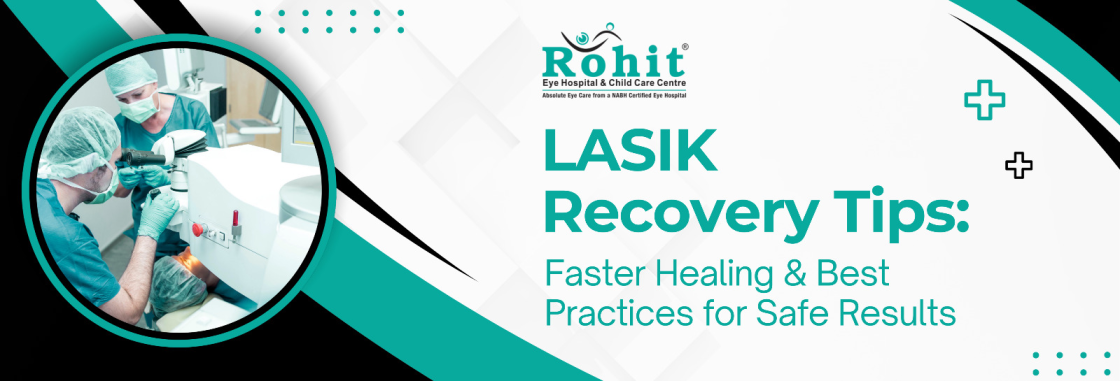
  • Post-Surgery Care Tips for Faster Vision Recovery

    Post-Surgery Care Tips for Faster Vision Recovery

    Undergoing eye surgery is a major step toward better vision and improved quality of life. Whether you’ve had cataract surgery or LASIK, the procedure itself is only part of the journey. Proper recovery and aftercare play an equally important role in achieving the best possible visual outcomes.

    At Rohit Eye Hospital, we often remind patients that healing doesn’t stop in the operating room. Following the right cataract surgery aftercare and practical LASIK recovery tips can significantly improve comfort, speed up healing, and protect your long-term eye health.

    This guide will help you understand what to expect after surgery and how to care for your eyes during the recovery phase.


    Understanding the Importance of Post-Surgery Eye Care

    Eye surgeries such as cataract removal and LASIK are advanced, safe, and highly successful procedures. However, your eyes need time to heal and adjust after the intervention.

    The cornea and surrounding tissues undergo microscopic changes during surgery. Although modern techniques are minimally invasive, your body still needs proper care and rest to recover fully. Neglecting post-operative instructions can delay healing or, in rare cases, lead to complications.

    The good news is that recovery is usually smooth when patients follow medical advice carefully. With a little patience and attention, you can return to your normal routine quickly while enjoying clearer vision.


    Cataract Surgery Aftercare: Essential Guidelines for Smooth Healing

    Cataract surgery is one of the most commonly performed and safest procedures worldwide. Most patients notice improved vision within a few days. Still, complete healing may take a few weeks.

    Here are the most important cataract surgery aftercare steps:

    1. Use Prescribed Eye Drops Consistently

    Your doctor will prescribe antibiotic and anti-inflammatory eye drops. These medications prevent infection, reduce swelling, and support healing.

    Never skip doses or stop using drops early unless your doctor advises it. Even if your eye feels normal, internal healing is still in progress.

    2. Avoid Rubbing or Pressing the Eye

    It is common to feel mild itching or a foreign-body sensation after surgery. Resist the urge to rub your eyes. Rubbing can disturb the healing incision or introduce bacteria.

    3. Protect Your Eyes from Dust and Bright Light

    Wear protective glasses or sunglasses when stepping outdoors. This helps shield your eyes from dust, pollution, and harsh sunlight, especially in the first week after surgery.

    4. Sleep Carefully

    Try not to sleep on the side of the operated eye for a few days. Many patients are advised to wear an eye shield at night during the early recovery period.

    5. Avoid Heavy Lifting and Strenuous Activity

    Activities that increase pressure inside the eye should be avoided for at least a week. This includes bending excessively, lifting heavy objects, or engaging in intense workouts.

    6. Maintain Hygiene

    While bathing, ensure that soap and water do not enter the eye. Avoid swimming pools, hot tubs, or dusty environments until your doctor confirms it is safe.

    Following these simple but critical cataract surgery aftercare steps ensures stable healing and optimal visual clarity.


    LASIK Recovery Tips: What to Do for Fast and Comfortable Healing

    LASIK is a popular refractive procedure designed to correct vision problems like myopia, hyperopia, and astigmatism. The recovery process is typically faster than most people expect, but proper care still matters.

    Here are practical LASIK recovery tips to help you heal smoothly:

    1. Rest Your Eyes Immediately After Surgery

    You may experience mild burning, watering, or sensitivity to light for a few hours after LASIK. Resting with closed eyes helps the corneal flap settle naturally.

    2. Avoid Screens Initially

    Limit screen time for the first 24 to 48 hours. Extended exposure to mobile phones, laptops, or television can increase dryness and strain.

    3. Use Lubricating Drops Regularly

    Dryness is common after LASIK. Artificial tears help maintain comfort and promote healing. Even if your eyes feel fine, continue using the drops as advised.

    4. Do Not Touch or Rub Your Eyes

    The corneal flap created during LASIK needs time to stabilize. Avoid rubbing your eyes for at least a few weeks.

    5. Avoid Makeup and Eye Products

    Refrain from using eye makeup, creams, or lotions near the eyes during the initial healing period to prevent infection.

    6. Skip Swimming and Contact Sports

    Activities that expose your eyes to water or physical impact should be avoided for at least two weeks.

    These LASIK recovery tips may seem simple, but they make a significant difference in achieving stable and long-lasting results.


    What to Expect During Vision Recovery

    It is normal for vision to fluctuate slightly during the first few days after surgery. Some patients notice halos, glare, or mild sensitivity to light. These symptoms gradually improve as healing progresses.

    For cataract patients, colors may appear brighter and clearer because the cloudy lens has been replaced with a transparent artificial lens. LASIK patients often experience immediate clarity, though fine adjustments in vision may continue for several weeks.

    Recovery timelines vary from person to person. Factors such as age, overall eye health, and adherence to post-operative instructions influence healing speed.


    Diet and Lifestyle for Faster Eye Healing

    Your body heals better when supported with proper nutrition and rest. Consider these additional recovery tips:

    • Stay hydrated throughout the day.
    • Include vitamin-rich foods such as leafy greens, carrots, citrus fruits, and nuts.
    • Get adequate sleep to promote tissue repair.
    • Avoid smoking, as it slows down healing.

    Healthy habits complement medical care and contribute to long-term eye health.


    Warning Signs: When to Contact Your Eye Doctor

    While complications are rare, it is important to stay alert. Seek medical advice immediately if you experience:

    • Sudden decrease in vision
    • Severe or increasing eye pain
    • Persistent redness
    • Excessive discharge
    • Flashes of light or floating spots

    Prompt consultation ensures that minor issues are addressed before they become serious.


    Follow-Up Appointments Are Crucial

    Many patients feel fine within a day or two and assume follow-ups are unnecessary. However, scheduled check-ups allow your ophthalmologist to monitor internal healing, eye pressure, and visual stability.

    Attending follow-up visits is an essential part of cataract surgery aftercare and LASIK recovery tips. These appointments ensure that your vision is progressing as expected.


    Emotional and Psychological Adjustment After Vision Surgery

    Interestingly, some patients experience an emotional adjustment period after achieving clearer vision. If you have worn glasses for many years, adapting to glasses-free clarity can feel surprising at first.

    Give yourself time to adjust. Your brain needs a short period to adapt to improved visual input. This phase is completely normal and temporary.


    Long-Term Eye Care After Surgery

    Even after complete recovery, maintaining regular eye check-ups is important. Eye health is dynamic and can change with age.

    Here are long-term recommendations:

    • Continue routine annual eye exams.
    • Wear UV-protective sunglasses outdoors.
    • Manage systemic conditions like diabetes or hypertension.
    • Maintain a balanced lifestyle to protect visual health.

    Surgery corrects existing issues, but preventive care protects your vision for the future.


    Why Proper Aftercare Determines Surgical Success

    Modern eye surgeries boast success rates above 95 percent. However, patient participation during recovery is what transforms a successful procedure into a truly life-changing outcome.

    Following cataract surgery aftercare instructions prevents infection, reduces inflammation, and stabilizes the implanted lens. Similarly, adhering to LASIK recovery tips ensures proper corneal healing and long-term refractive stability.

    In short, surgery provides the foundation, and aftercare builds the results.


    Trusted Post-Operative Support at Rohit Eye Hospital

    At Rohit Eye Hospital, patient care extends beyond the operation theatre. Our team provides detailed recovery guidance, personalized follow-up plans, and continuous support throughout the healing journey.

    We understand that every patient is different. Age, lifestyle, and eye condition influence recovery needs. That’s why post-surgical care plans are tailored individually.

    From detailed medication instructions to emergency support, we ensure that your recovery remains safe, comfortable, and predictable.


    Conclusion

    Vision surgery is a powerful step toward clearer sight and greater independence. Whether you have undergone cataract surgery or LASIK, the healing phase deserves careful attention.

    By following essential cataract surgery aftercare steps and practical LASIK recovery tips, you can accelerate healing, reduce discomfort, and protect your long-term visual outcomes.

    Clear vision is not just about the procedure itself. It is about the care you take afterward. With proper guidance, patience, and support from experienced professionals, your eyes can heal smoothly and deliver the clarity you’ve been waiting for.

    If you are planning eye surgery or have recently undergone one, consult the specialists at Rohit Eye Hospital for expert guidance and comprehensive post-operative care. Your journey to better vision deserves nothing less than the highest standard of attention and expertise.

  • Is Myopia Just “Glasses”? New Ways to Control Myopia Progression

    Is Myopia Just “Glasses”? New Ways to Control Myopia Progression

    When a child is diagnosed with myopia, the first solution most parents hear is simple: “Your child needs glasses.” While glasses correct blurred distance vision, many parents are surprised to learn that myopia is more than just a refractive error requiring stronger prescriptions each year.

    Myopia, or near-sightedness, is increasing rapidly among children worldwide. It is no longer just about wearing spectacles. The bigger concern is progression. As myopia worsens, the risk of long-term eye complications can increase in adulthood. The good news is that modern eye care now offers effective myopia control strategies that go beyond glasses.

    At Rohit Eye Hospital, we believe parents deserve clear, practical guidance about pediatric myopia treatment options that not only correct vision but also aim to slow its progression.


    Understanding Myopia: More Than Blurry Distance Vision

    Myopia occurs when the eye grows longer than normal, causing light to focus in front of the retina instead of directly on it. This results in blurred distance vision while near vision may remain clear.

    Common signs of myopia in children include:

    • Squinting while looking at distant objects
    • Sitting very close to screens or televisions
    • Complaints of headaches
    • Difficulty seeing the board in school
    • Frequent changes in glasses prescription

    In the past, treatment mainly focused on prescribing glasses. However, research now shows that simply updating glasses does not slow the progression of myopia. For many children, the prescription continues to increase each year.

    That is why modern pediatric eye care focuses not only on correction but also on control.


    Why Myopia Progression Matters

    Mild myopia may not seem concerning. However, higher levels of myopia in adulthood are associated with increased risks of retinal problems, glaucoma, and other vision-threatening conditions later in life.

    This is why early intervention is important. Slowing progression during childhood can significantly reduce long-term risks.

    Parents often ask, “If glasses help my child see clearly, why do we need anything more?” The answer is simple: glasses improve vision today, but myopia control strategies aim to protect eye health for the future.


    What Are Myopia Control Strategies?

    Modern myopia control strategies are designed to slow down how quickly a child’s prescription increases. These strategies are evidence-based and carefully selected depending on the child’s age, eye condition, and lifestyle.

    Some commonly used approaches include:

    1. Specialized Myopia Control Spectacle Lenses

    Certain advanced spectacle lenses are designed differently from regular glasses. They help reduce the stimulus that causes the eye to elongate further.

    2. Myopia Control Contact Lenses

    Special soft contact lenses can reshape how light enters the eye, helping slow progression. These are prescribed under careful supervision and are safe for suitable children.

    3. Orthokeratology (Ortho-K)

    This method uses specially designed lenses worn overnight to temporarily reshape the cornea. During the day, the child can see clearly without glasses. It also helps in slowing myopia progression.

    4. Low-Dose Atropine Eye Drops

    Medicated eye drops used under medical supervision can help slow the rate at which myopia increases.

    5. Lifestyle Modifications

    Increased outdoor time and reduced excessive near work (like prolonged screen time) are simple but effective supportive strategies.

    At Rohit Eye Hospital, treatment plans are personalized. Not every child needs the same approach. A detailed eye examination helps determine the most appropriate pediatric myopia treatment plan.


    Pediatric Myopia Treatment: Why Early Detection Is Key

    The earlier myopia is detected, the more effectively it can be managed. Regular eye check-ups are essential, especially if:

    • One or both parents are myopic
    • The child spends long hours on screens
    • There is rapid increase in prescription

    Children’s eyes grow rapidly, and early years are critical in controlling progression. Pediatric eye examinations go beyond checking power; they assess eye growth patterns and risk factors.

    Parents often feel relieved when they understand that there are proactive steps available. Instead of waiting for prescriptions to worsen, early intervention gives families a sense of control.


    Are These Treatments Safe?

    Safety is a common concern for parents. All modern myopia control strategies are carefully researched and used under professional supervision.

    For example:

    • Low-dose atropine is used in controlled strengths and monitored regularly.
    • Ortho-K lenses require proper hygiene and follow-up visits.
    • Specialized lenses are prescribed only after detailed eye measurements.

    When managed by experienced ophthalmologists, pediatric myopia treatment is safe and effective.


    The Emotional Side of Childhood Myopia

    Beyond medical facts, it’s important to understand how children feel. Frequent prescription changes can be frustrating. Some children may feel self-conscious about wearing thicker glasses.

    Parents may also worry about long-term vision health. Clear communication and supportive care help reduce anxiety.

    At Rohit Eye Hospital, we focus not only on treatment but also on educating families. When children and parents understand what is happening and why certain strategies are recommended, they feel more confident about the journey.


    Lifestyle Tips to Support Myopia Control

    Medical treatment works best when supported by healthy habits. Parents can help by encouraging:

    • At least 1–2 hours of outdoor activity daily
    • Regular breaks during study or screen use
    • Proper reading distance and posture
    • Balanced nutrition for overall eye health

    Simple lifestyle adjustments, combined with professional care, can make a meaningful difference.


    When Should You Visit an Eye Specialist?

    If your child complains of blurred distance vision or you notice signs like squinting or sitting too close to screens, it is advisable to schedule an eye examination.

    Even if your child already wears glasses, annual check-ups are important to monitor progression.

    Early guidance allows for timely implementation of myopia control strategies, reducing future risks.


    Why Choose Rohit Eye Hospital for Pediatric Myopia Treatment?

    Managing childhood myopia requires experience, technology, and a patient-centered approach. At Rohit Eye Hospital, we offer:

    • Comprehensive pediatric eye examinations
    • Advanced diagnostic tools to monitor eye growth
    • Customized myopia control plans
    • Ongoing follow-up and monitoring
    • Clear communication with parents

    Our focus is on protecting your child’s vision today and for the future.


    Conclusion

    Myopia is more than just “needing glasses.” While spectacles correct blurred vision, they do not address progression. With modern myopia control strategies, it is possible to slow the worsening of myopia and reduce long-term risks.

    Pediatric myopia treatment today offers hope, safety, and proactive care. Early detection, personalized management, and consistent follow-up can make a significant difference in your child’s visual future.

    At Rohit Eye Hospital, we are committed to helping children see clearly while safeguarding their long-term eye health.

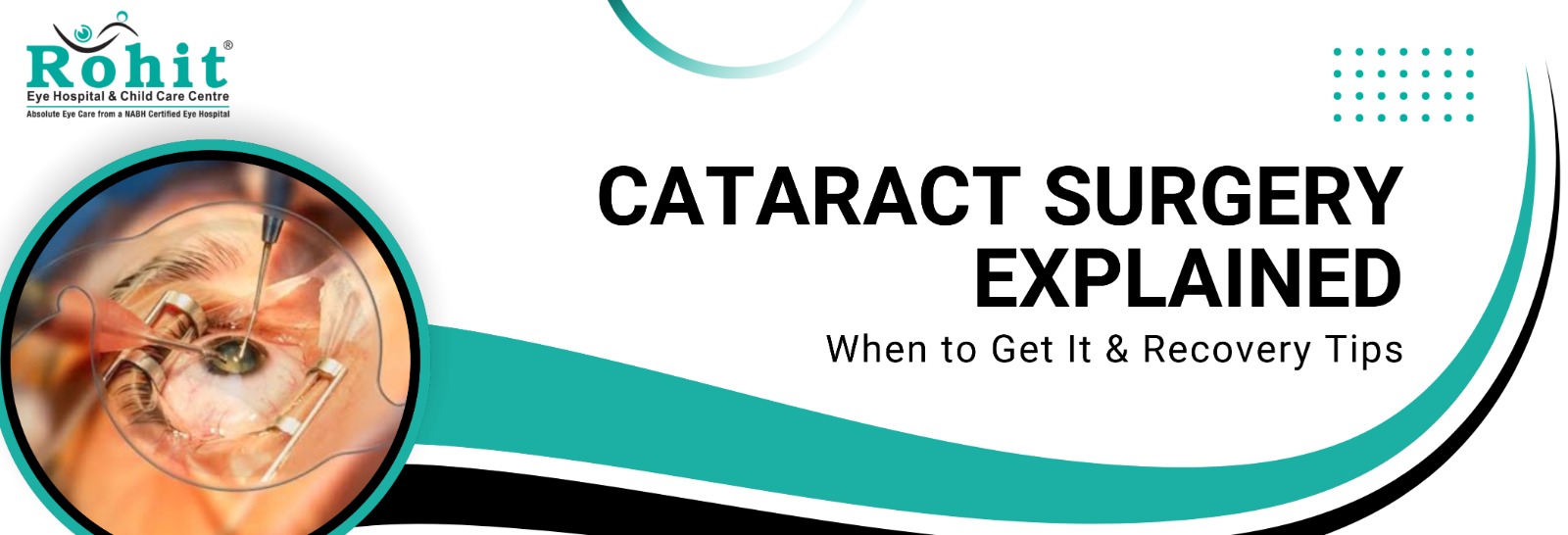
  • Cataract Surgery Explained: When to Get It & Recovery Tips

    Cataract Surgery Explained: When to Get It & Recovery Tips

    Vision is something we often take for granted—until it slowly begins to fade. If you’ve noticed blurry vision, difficulty reading, increased glare from headlights, or colors appearing dull, a cataract may be the reason. Cataracts are a very common eye condition, especially as we age. The reassuring part is that they are treatable, and modern cataract surgery is one of the safest and most successful medical procedures today.

    Many patients, however, are unsure about when surgery is actually needed and what recovery looks like. This blog explains everything in simple terms—when to consider cataract surgery, the key cataract surgery benefits, and practical recovery tips to ensure smooth healing.

    If you are exploring options such as laser cataract surgery in Indore, understanding the process can help you make a confident and informed decision.


    What Is a Cataract?

    A cataract occurs when the natural lens inside your eye becomes cloudy. Normally, the lens is clear and helps focus light onto the retina so you can see sharply. When a cataract develops, it blocks or scatters light, leading to blurry or hazy vision.

    Cataracts usually develop gradually. In the early stages, you may not notice much difference. Over time, however, symptoms can begin to interfere with daily activities such as reading, driving, or watching television.

    Common symptoms include:

    • Blurred or cloudy vision
    • Sensitivity to light
    • Difficulty seeing at night
    • Seeing halos around lights
    • Faded or yellowish colors
    • Frequent changes in glasses prescription

    If these symptoms begin affecting your quality of life, it may be time to consider treatment.


    When Should You Get Cataract Surgery?

    One of the most common questions patients ask is, “Is it too early for surgery?” The answer depends less on the size of the cataract and more on how much it affects your daily life.

    You may consider cataract surgery if:

    • Your vision interferes with reading or watching TV
    • Driving at night feels unsafe due to glare
    • You struggle to recognize faces clearly
    • Glasses no longer improve your vision
    • Cataracts affect your independence

    There is no need to wait until vision becomes severely impaired. Modern cataract surgery is safe and effective, and early intervention can prevent unnecessary frustration or limitations in daily life.

    A comprehensive eye examination at Rohit Eye Hospital can determine whether surgery is the right step for you.


    How Cataract Surgery Works

    Cataract surgery involves removing the cloudy natural lens and replacing it with a clear artificial lens called an intraocular lens (IOL). This new lens restores the eye’s ability to focus light properly.

    The procedure is typically:

    • Performed under local anesthesia
    • Completed within a short duration
    • Done as a day-care procedure
    • Painless and comfortable

    Thanks to advancements in technology, patients today benefit from highly precise techniques, including laser-assisted options.


    Understanding Laser Cataract Surgery in Indore

    Traditional cataract surgery is highly effective, but laser-assisted procedures have added another layer of precision.

    Laser cataract surgery in Indore uses advanced femtosecond laser technology to perform key steps of the procedure with enhanced accuracy. The laser helps create precise incisions and softens the cataract before removal, reducing manual intervention.

    Benefits of laser-assisted cataract surgery include:

    • Greater precision
    • Improved consistency
    • Reduced stress on the eye
    • Faster visual recovery in many cases

    At a well-equipped center like Rohit Eye Hospital, advanced technology supports safer outcomes and better visual clarity.


    Cataract Surgery Benefits

    Understanding the real cataract surgery benefits helps patients feel reassured about the decision.

    1. Clearer, Sharper Vision

    The primary benefit is improved clarity. Many patients notice brighter colors and sharper details soon after surgery.

    2. Improved Night Vision

    Reduced glare and halos around lights make night driving more comfortable.

    3. Greater Independence

    Reading, cooking, shopping, and daily tasks become easier and more enjoyable.

    4. Enhanced Quality of Life

    Clear vision boosts confidence and allows people to stay active.

    5. Long-Term Solution

    Once the cloudy lens is removed, it does not grow back. The artificial lens is designed to last permanently.

    For many individuals, cataract surgery feels like “seeing the world clearly again.”


    What to Expect on the Day of Surgery

    Understanding the process reduces anxiety. On the day of surgery:

    • The eye is numbed using drops.
    • You remain awake but comfortable.
    • The procedure usually takes a short time.
    • After a brief observation period, you can return home.

    You may be advised to have someone accompany you for safety.


    Recovery Tips After Cataract Surgery

    Recovery is generally smooth, but proper care is important for the best results.

    1. Use Prescribed Eye Drops

    Your doctor will prescribe medicated drops to prevent infection and control inflammation. Follow the schedule carefully.

    2. Avoid Rubbing the Eye

    The eye needs time to heal. Avoid touching or rubbing it.

    3. Protect Your Eye

    Wear protective glasses if advised, especially while sleeping.

    4. Avoid Heavy Activities

    For a short period, avoid strenuous exercise or lifting heavy objects.

    5. Attend Follow-Up Visits

    Regular check-ups ensure healing is progressing normally.

    Most patients resume normal activities within a few days, with continued improvement over several weeks.


    Is Cataract Surgery Painful?

    This is one of the biggest fears patients have. The procedure itself is not painful because the eye is numbed. Some mild discomfort or irritation may occur after surgery, but it is usually temporary and manageable.

    Modern surgical methods, especially laser cataract surgery in Indore, are designed to maximize comfort and safety.


    Who Is a Good Candidate?

    Most adults with vision-impairing cataracts are suitable candidates. However, a full eye examination is necessary to evaluate:

    • Overall eye health
    • Corneal condition
    • Retinal health
    • General medical history

    A personalized consultation ensures the safest approach.


    Why Choose Rohit Eye Hospital?

    When it comes to eye care, experience and technology matter. Rohit Eye Hospital combines:

    • Skilled ophthalmologists
    • Modern diagnostic equipment
    • Advanced laser cataract technology
    • Patient-focused care
    • Transparent treatment guidance

    The goal is not just to perform surgery but to restore vision safely and comfortably.

    Patients considering laser cataract surgery in Indore benefit from modern facilities and compassionate care designed to support them throughout the journey.


    Addressing Common Concerns

    Will I Still Need Glasses?

    Depending on the type of lens chosen, some patients may reduce dependence on glasses significantly. Your doctor will discuss options suited to your lifestyle.

    Is Surgery Safe for Older Patients?

    Yes. Cataract surgery is commonly performed in older adults and is considered very safe when done in a proper medical setup.

    How Long Do Results Last?

    The artificial lens is permanent. Once the cataract is removed, it does not return.


    The Emotional Impact of Clear Vision

    Beyond medical benefits, cataract surgery often brings emotional relief. Being able to read comfortably, recognize loved ones clearly, and move confidently through daily life can greatly improve well-being.

    Vision affects independence, confidence, and overall happiness. Restoring it can feel truly transformative.


    Conclusion

    Cataracts may develop gradually, but their impact on daily life can be significant. The good news is that modern treatment options make restoration of clear vision both safe and effective.

    Understanding the cataract surgery benefits, knowing when to consider the procedure, and following proper recovery tips can help patients feel prepared and confident.

    With advanced options like laser cataract surgery in Indore, patients today have access to precise technology, skilled surgeons, and supportive care.

    At Rohit Eye Hospital, the focus remains on delivering safe, advanced, and compassionate eye care—helping patients regain clarity and confidence in their vision.

  • Cataract Surgery: What to Expect and Why It’s Worth It in Indore

    Cataract Surgery: What to Expect and Why It’s Worth It in Indore

    For many people, vision loss does not happen suddenly. It happens slowly. Colors begin to look dull, lights feel harsh, reading becomes difficult, and familiar faces appear slightly blurred. These changes can be frustrating and sometimes worrying, especially when they start affecting daily life. In many cases, cataracts are the reason behind this gradual decline in vision.

    The reassuring truth is that cataracts are not something you have to live with permanently. Cataract surgery is a safe, well-established treatment that has helped millions of people around the world regain clear vision and confidence. With today’s medical advancements, the procedure has become simpler, more comfortable, and highly effective.

    For patients considering cataract surgery in Indore, access to modern eye care, skilled surgeons, and affordable treatment options makes vision restoration both achievable and reassuring.


    A Safe and Effective Way to Restore Clear Vision

    Cataract surgery is one of the most commonly performed eye procedures, and for a good reason. It directly treats the cause of vision loss rather than just managing symptoms. During the surgery, the cloudy natural lens is gently removed and replaced with a clear artificial lens, allowing light to focus properly on the retina again.

    Many patients are surprised by how straightforward the procedure is. It is usually done under local anesthesia, meaning you stay awake but comfortable. The surgery itself takes a short time, and most patients return home the same day.

    What truly makes cataract surgery meaningful is the impact it has on everyday life. Tasks that once felt difficult reading, watching television, driving, or recognizing faces often become easier again. For many people, clearer vision brings back independence and a renewed sense of confidence.


    Trusted Eye Care Supported by Modern Facilities

    When it comes to eye health, trust matters. Choosing the best cataract eye hospital ensures that every step of your treatment is handled with care, precision, and attention to detail.

    Modern eye hospitals in Indore are designed to support safe and efficient cataract treatment. From advanced diagnostic tools to clean and well-equipped operation theatres, every element plays a role in achieving successful outcomes.

    Equally important is the experience of the ophthalmologist. Skilled eye surgeons carefully evaluate each patient’s condition and recommend the most suitable treatment plan. This includes selecting the appropriate surgical method and lens type based on the patient’s lifestyle, vision needs, and overall eye health.

    When patients feel informed and supported, the entire treatment experience becomes far less stressful and far more reassuring.


    A Painless Procedure with Faster Recovery

    One of the most common fears about cataract surgery is pain. Thankfully, modern techniques have transformed the experience. With blade free cataract surgery and laser-assisted methods, the procedure is gentle and precise.

    These advanced techniques use technology to perform key steps of the surgery with greater accuracy. As a result, there is minimal discomfort during the procedure and reduced strain on the eye.

    Most patients are pleasantly surprised by how quickly they begin to notice improvement. While healing continues over time, vision often starts to clear within days. With proper care and follow-up, recovery is usually smooth.

    Patients are advised to rest, use prescribed eye drops, and follow their doctor’s guidance. These small steps help ensure proper healing and protect the eye during recovery.


    Affordable Cataract Care Without Compromising Quality

    Cost concerns often delay treatment, even when vision problems are affecting daily life. The good news is that cataract treatment cost in Indore is generally more affordable compared to many larger cities, while still offering high-quality medical care.

    Hospitals provide different treatment options to suit individual needs and budgets. The overall cost may depend on factors such as the type of surgery, lens selection, and the complexity of the case. Patients are guided through these choices in a transparent and supportive manner.

    Affordable care does not mean reduced standards. Reputed eye hospitals focus on maintaining quality, safety, and patient comfort while offering cost-effective solutions.

    This balance makes cataract surgery accessible to a wider range of patients, ensuring that clear vision is not limited by financial concerns.


    Advanced Technology for Better Vision Outcomes

    Technology plays a vital role in improving cataract surgery results. Today’s advanced cataract surgery techniques allow surgeons to plan and perform procedures with exceptional precision.

    Modern diagnostic tools help create a detailed map of the eye, allowing for accurate lens placement and better visual correction. Advanced intraocular lenses can also help address specific vision needs, reducing dependence on glasses after surgery in some cases.

    These technological improvements lead to:

    • Sharper and clearer vision
    • Greater consistency in results
    • Lower risk of complications
    • Higher patient satisfaction

    For patients, this means better visual quality and peace of mind knowing that their treatment is supported by the latest advancements in eye care.


    Understanding the Cataract Surgery Journey

    Knowing what to expect helps patients feel more confident. Before surgery, a thorough eye examination is performed to assess eye health and plan treatment. This is also an opportunity to ask questions and discuss any concerns.

    On the day of surgery, patients are guided through each step. The procedure is brief, and after a short observation period, patients can usually go home the same day.

    Post-surgery care is an important part of recovery. Follow-up visits ensure the eye is healing properly and vision is improving as expected. With proper care, most patients enjoy lasting benefits from the surgery.


    Why Cataract Surgery in Indore Is a Trusted Choice

    Indore has become a reliable center for quality eye care. Patients choosing cataract surgery in Indore benefit from experienced doctors, modern facilities, and a patient-focused approach.

    Hospitals like Rohit Eye Hospital combine medical expertise with compassionate care, ensuring that patients feel supported throughout their treatment journey.


    Conclusion

    Cataracts may develop slowly, but their impact on daily life can be significant. The good news is that cataract surgery offers a safe, effective, and proven solution to restore clear vision.

    With modern techniques, affordable options, and advanced technology, cataract treatment today is more comfortable and accessible than ever. Choosing the right hospital and understanding the process helps patients move forward with confidence.

    At Rohit Eye Hospital, the goal is simple to help patients see clearly again through trusted care, modern technology, and a genuine commitment to eye health.

  • How LASIK Surgery Can Give You Glasses-Free Vision

    How LASIK Surgery Can Give You Glasses-Free Vision

    For millions of people, glasses and contact lenses are a daily necessity. While they help correct vision, they can also feel limiting, uncomfortable, and inconvenient over time. From fogged lenses during monsoons to the constant worry of misplaced spectacles, many people look for a long-term solution. This is where LASIK surgery has transformed modern eye care.

    With advances in technology, laser eye surgery has become safer, more precise, and more predictable than ever before. For eligible patients, LASIK offers a reliable way to achieve glasses-free vision and enjoy clearer sight without dependence on external aids.

    In this blog, we explain how LASIK works, why it is considered a long-term solution for vision correction, and how choosing the best LASIK eye hospital plays a crucial role in outcomes especially for patients considering LASIK surgery in Indore.


    Advanced Blade-Free Method for Clear Vision

    Modern LASIK surgery is a highly advanced, blade-free procedure designed to correct common refractive errors such as myopia (near-sightedness), hyperopia (far-sightedness), and astigmatism. Unlike older techniques, today’s laser eye surgery uses precise, computer-guided lasers to reshape the cornea without the use of surgical blades.

    Blade-free LASIK relies on femtosecond and excimer laser technology. These lasers create and reshape corneal tissue with extreme accuracy, guided by detailed eye mapping. This ensures that each treatment is customized to the patient’s unique eye structure.

    The blade-free approach offers several advantages:

    • Higher precision and safety
    • Reduced risk of complications
    • Minimal discomfort during the procedure
    • Faster visual recovery

    Most patients experience noticeable improvement in vision within a short period after surgery. The procedure itself typically takes only a few minutes per eye and is performed under topical anesthesia, making it comfortable and efficient.

    For patients seeking vision correction surgery with advanced technology, blade-free LASIK represents a major step forward in achieving clear, natural vision.


    A Long-Term Solution for Freedom from Spectacles

    One of the most appealing benefits of LASIK is the potential for long-term freedom from glasses or contact lenses. Unlike spectacles, which only correct vision externally, LASIK works by correcting the underlying refractive error within the eye.

    Once the cornea is reshaped, light entering the eye focuses correctly on the retina, allowing clear vision without additional support. For many patients, this correction remains stable for years.

    It is important to understand that while LASIK offers lasting results, natural age-related changes in the eye may still occur later in life. However, for a large number of patients, LASIK significantly reduces or completely removes the need for glasses during their most active years.

    For individuals who:

    • Have stable vision
    • Are tired of daily lens care
    • Want greater convenience in professional and personal life

    LASIK can be a practical and life-enhancing option for glasses-free vision treatment.


    Modern Eye Care with High Success Rates

    Advancements in eye care technology and surgical expertise have made LASIK one of the most successful elective procedures worldwide. High success rates are achieved through a combination of advanced equipment, experienced surgeons, and careful patient selection.

    Modern LASIK procedures follow strict safety protocols, including:

    • Comprehensive pre-surgery eye evaluation
    • Detailed corneal mapping
    • Advanced laser calibration
    • Post-surgery monitoring and care

    These steps ensure that only suitable candidates undergo the procedure and that outcomes meet medical safety standards. Most patients achieve significantly improved vision, often reaching functional vision levels without glasses.

    Choosing the best LASIK eye hospital is essential. A well-equipped hospital with experienced ophthalmologists ensures accurate diagnosis, personalized treatment planning, and proper follow-up care. This comprehensive approach is key to maintaining high success rates and patient satisfaction.


    Customized Surgery to Correct Refractive Errors

    No two eyes are exactly the same, which is why LASIK is not a one-size-fits-all procedure. Modern laser eye surgery is highly customized, based on detailed measurements of each patient’s eyes.

    Before surgery, advanced diagnostic tools assess:

    • Corneal thickness and shape
    • Pupil size
    • Refractive error levels
    • Eye health and tear film quality

    Using this data, surgeons design a treatment plan tailored specifically to the patient’s visual needs. This customized approach improves accuracy and reduces the risk of under- or over-correction.

    Customized vision correction surgery is especially beneficial for patients with astigmatism or higher refractive errors, where precision plays a critical role in visual outcomes.

    At hospitals offering advanced LASIK technology, personalization ensures better clarity, comfort, and long-term satisfaction.


    A Safe Laser Procedure to Reduce Dependence on Glasses

    Safety is a common concern for anyone considering eye surgery. LASIK is widely recognized as a safe procedure when performed on suitable candidates by trained specialists using modern equipment.

    The laser used in LASIK works on the corneal surface without penetrating deeper structures of the eye. The procedure is quick, controlled, and monitored throughout by experienced professionals.

    Key safety aspects include:

    • Thorough pre-operative screening
    • Use of FDA-approved laser technology
    • Strict hygiene and sterilization protocols
    • Regular post-operative follow-up

    Most patients return to normal activities within a short time, following simple post-surgery care instructions. While minor side effects such as temporary dryness or light sensitivity may occur, these are usually short-lived and manageable.

    By correcting vision at its source, LASIK reduces long-term dependence on glasses, offering both visual and lifestyle benefits.


    Why Consider LASIK Surgery in Indore

    Indore has emerged as a center for advanced medical care, including ophthalmology. Patients seeking LASIK surgery in Indore benefit from access to modern technology, skilled eye surgeons, and comprehensive eye care services.

    Hospitals in Indore offering LASIK focus on:

    • Advanced diagnostic and laser systems
    • Experienced ophthalmic specialists
    • Patient-centric care and counseling
    • Transparent evaluation and guidance

    Choosing a trusted eye hospital ensures that patients receive accurate advice about their suitability for LASIK and realistic expectations about outcomes.


    Is LASIK Right for Everyone?

    While LASIK offers excellent results for many people, it may not be suitable for everyone. Factors such as unstable vision, certain corneal conditions, or specific eye health issues may require alternative treatments.

    This is why a detailed consultation with an experienced ophthalmologist is essential. Patients should view LASIK as a medical decision, not just a convenience choice.

    A responsible eye care provider will always recommend what is safest and most appropriate for each individual patient.


    Conclusion

    LASIK surgery has changed the way people approach vision correction. With advanced blade-free technology, personalized treatment planning, and high safety standards, it offers a reliable path toward glasses-free vision for eligible patients.

    For those considering laser eye surgery, choosing the best LASIK eye hospital is just as important as the procedure itself. Expert evaluation, modern technology, and comprehensive care ensure safe outcomes and long-term satisfaction.

    At Rohit Eye Hospital, the focus is on combining advanced eye care with patient trust and safety helping individuals see the world clearly and confidently without dependence on glasses.

  • LASIK Recovery Tips: Faster Healing & Best Practices for Safe Results

    LASIK Recovery Tips: Faster Healing & Best Practices for Safe Results

    LASIK eye surgery can transform your vision, but smart, consistent recovery practices are essential to ensure safe healing and optimal results. Here’s an expert, in-depth guide to LASIK recovery tips, immediate post-op care, strain reduction, activities to avoid, symptoms to monitor, and the importance of regular follow-up visits for your healing journey.

    Immediate Post-Operative Care Instructions

    The first 24 hours after LASIK are critical for proper healing. Immediately after surgery, you will likely notice improved vision, though it may be hazy or blurred at first. Common sensations include mild discomfort, scratchiness, watery eyes, or a gritty feeling similar to having stared at a screen too long. These are normal and temporary.​

    • Eye Drops Schedule:
      Use your prescribed antibiotic and anti-inflammatory drops exactly as directed. This helps keep your eyes hydrated, reduce inflammation, and prevent infection. Lubricating artificial tears should also be used frequently throughout the day, especially if you experience dryness.
    • Avoid Rubbing Your Eyes:
      For the first seven days and beyond, do not rub or touch your eyes. Rubbing can displace the corneal flap, compromise healing, and increase the risk of infection.​
    • Protective Shield Usage:
      Wear your protective shields—even while sleeping—to avoid accidental contact or pressure on your eyes. Shields help prevent irritation and injury at night or when napping, especially during the first few days after surgery.​
    • First 24 Hours Protocol:
      Go straight home and rest your eyes. Keep them closed as much as possible, avoid bright lights, and minimize screen use. It’s best to listen to music or podcasts rather than read or use a phone in these key initial hours. You may experience mild blurry or hazy vision, sensitivity to light, or watery eyes, but these typically improve quickly. Any severe pain, extreme redness, discharge, or sudden decrease in vision is abnormal and should prompt an immediate call to your doctor.​

    How to Reduce Eye Strain During Recovery

    Protect your eyes from strain to support faster healing and greater comfort in the first weeks after LASIK.

    • Limit Screen Time:
      Avoid phones, TVs, computers, and tablets in the first 24 hours. When you return to screens, take frequent breaks to rest your eyes.
    • Proper Lighting:
      Use soft, indirect lighting indoors. Avoid harsh fluorescent or glaring lights and keep rooms comfortably lit to reduce strain.
    • 20-20-20 Rule:
      After returning to work or screen use, follow the 20-20-20 rule: every 20 minutes, look at something 20 feet away for 20 seconds. This helps minimize fatigue and dryness.​
    • Avoid Harsh Lighting and Dust:
      Do not sit in front of fans or near windows with direct wind and strong sunlight. Dusty or smoky environments can exacerbate dry eyes and risk infection.

    Activities to Avoid Until Complete Stabilization

    Your corneas need time to heal and stabilize; certain activities can jeopardize this process during the first few weeks to months.

    • Gym / Heavy Lifting / Intense Workouts:
      Avoid strenuous exercise and weightlifting for at least one week. Excess sweating and accidental trauma can slow healing. Resume gentle physical activity like walking or yoga after a few days.​
    • Swimming and Hot Tubs:
      Stay out of pools, lakes, and hot tubs for a minimum of two weeks, as water bacteria and chemicals significantly increase infection risk.​
    • Makeup:
      Avoid all eye makeup (mascara, eyeliner, eye shadow) until your doctor gives clearance—usually after two weeks. Applying or removing makeup can introduce bacteria or irritate healing tissue.
    • Direct Wind and Sun Exposure:
      Wear sunglasses outside and avoid prolonged exposure to bright sunlight, wind, or dust. Sunglasses help prevent irritation and maintain comfort.

    Expected Healing Timeline & Normal vs Concerning Symptoms

    LASIK healing unfolds in predictable stages, but individual variation is normal.

    • First 24-48 Hours:
      Discomfort, burning, itching, watery eyes, mild blurriness, and sensitivity to light are typical. Most symptoms fade quickly as vision clarifies.​
    • Week 1:
      Most people return to normal life and work, with minor dryness or halos at night. Vision continues improving.
    • Weeks 2-4:
      Sight stabilizes, dryness subsides, and mild starbursts or glare may persist. Most strenuous activities can be resumed with caution.​
    • Months 2-6:
      Complete healing for most individuals, with the majority achieving clear, stable vision. Occasional dryness or visual fluctuations are still normal, particularly in air-conditioned environments.

    Normal Symptoms:
    Mild dryness, gritty sensation, slight sensitivity to light, temporary halos or starbursts, and watery eyes.

    Concerning Symptoms (Red Flags):
    Severe pain, significant redness or swelling, pus-like discharge, sudden drop in vision, or persistent blurred vision not improving over days. These require immediate evaluation, as they could signal infection, flap displacement, or other complications.​

    Importance of Follow Up Visits with Doctor & Consistency

    Regular follow-up care is critical for LASIK success. Your surgeon tracks the healing of the cornea, checks for proper flap positioning, monitors stability, and manages any side effects. Appointments are most frequent in the first few weeks, then spaced out over months to confirm full stabilization.​

    Consistent adherence to scheduled visits and prescribed eye drops ensures problems are caught early and optimal results are maintained. Skipping or delaying follow-ups can put both your vision and long-term comfort at risk.

    Nutrition & Hydration Tips for Faster LASIK Healing

    A balanced diet plays a surprisingly important role in LASIK recovery. The right nutrients help reduce inflammation, support tear production, and strengthen the cornea as it heals.

    Foods That Support Eye Healing

    • Omega-3 Rich Foods


      • Helps reduce inflammation and dryness.
      • Include: flaxseeds, chia seeds, walnuts, salmon, sardines.


    • Vitamin A


      • Essential for corneal health and tear production.
      • Include: carrots, spinach, sweet potatoes, bell peppers, pumpkin.


    • Vitamin C & E


      • Powerful antioxidants that repair tissues.
      • Include: oranges, strawberries, almonds, sunflower seeds.


    • Zinc


      • Supports the absorption of Vitamin A.
      • Include: chickpeas, beans, cashews.


    Stay Hydrated

    • Drink 8–10 glasses of water daily


      • Hydration reduces dryness and irritation.


    • Avoid dehydrating drinks


      • Coffee, alcohol, and energy drinks increase dryness.


    • Try herbal teas


      • Chamomile, peppermint, and ginger teas soothe the body and reduce inflammation.


    Supplements (If Recommended by Doctor)

    • Omega-3 capsules or lubricating supplements may support tear health.


    • Always consult the surgeon before starting any supplements.


    Sleep & Rest: The Most Underrated Part of Recovery

    Rest is one of the fastest ways to promote LASIK healing, especially in the first 24–48 hours.

    Why Sleep Matters

    • Reduces eye strain.
    • Allows the corneal flap to stabilize.
    • Minimizes blinking and eye movement.
    • Helps reduce sensitivity and dryness.


    How Much to Sleep

    • First Few Hours Post-Surgery: at least 3–4 hours of uninterrupted rest.
    • First Night: aim for 7–9 hours of deep sleep for optimal healing.
    • Next Few Days: take short naps to reduce strain from light or screens.


    Sleep Hygiene Tips

    • Keep the room dim to avoid light sensitivity.
    • Maintain a cool temperature to prevent dryness.
    • Avoid screens 1–2 hours before sleep.
    • Use your protective eye shield every night as instructed.


    If Sleeping Is Difficult

    • Use lubricating eye drops before sleep.
    • Listen to calming audio instead of watching TV or scrolling.
    • Try an eye mask (after the doctor allows) to reduce light disturbance.


    How to Safely Return to Work, Driving & Daily Routine

    Returning to daily life after LASIK requires a gradual approach to ensure long-term vision stability.

    Returning to Work

    • Desk Jobs / Computer Work


      • Most people return in 24–48 hours.
      • Take breaks every 20 minutes (20-20-20 rule).


      • Use lubricating drops frequently.
      • Adjust screen brightness and increase font size.


    • Outdoor Jobs


      • Wear sunglasses and protective glasses.
      • Avoid dusty, windy areas for the first week.
      • Keep hydration levels high to reduce dryness.


    Driving After LASIK

    • Wait for your surgeon’s clearance—usually after the first follow-up visit.
    • Night driving may feel difficult initially due to halos or glare.
    • Wear polarized sunglasses during daytime driving to reduce sensitivity.


    Daily Routine Adjustments

    • Cooking: Avoid steam hitting the eyes in the first few days.
    • Bathing: Keep soap and water away from your eyes for at least a week.
    • Reading: Start with short intervals and increase gradually.
    • Walking Outdoors: Use UV-protective sunglasses every time.


    Returning to Fitness

    • Light walking: after 2–3 days.
    • Yoga: avoid inversions (like headstands) for 2 weeks.
    • Running & Gym: resume after 1 week with caution.
    • Swimming: strictly avoid for at least 2 weeks.


    Managing Dry Eyes After LASIK

    Dryness is the most common and completely normal symptom during LASIK recovery. It improves as the nerves in the cornea regenerate.

    Why Dry Eyes Happen

    • Temporary disruption of corneal nerves reduces natural tear production.
    • Screen time, air conditioning, and dehydration can worsen dryness.


    How to Reduce Dryness

    • Artificial Tears


      • Use preservative-free lubricating drops every 1–2 hours initially.
      • Gradually reduce frequency as dryness improves.


    • Blinking Exercises


      • Every hour, consciously blink slowly 10 times.
      • Helps restore tear film stability.


    • Humidify Your Environment


      • Use a humidifier in your room, especially if you sleep with AC.


    • Warm Compress (After Clearance)


      • Helps regulate oil glands that keep tears healthy.


    • Limit Screen Time


      • Digital devices reduce blinking rate by 60%.
      • Follow the 20-20-20 rule consistently.


    Lifestyle Tips

    • Wear sunglasses outdoors to protect against wind.
    • Reduce caffeine and alcohol intake.
    • Stay hydrated throughout the day.
    • Avoid sitting directly under fans or AC vents.


    When Dryness Is a Concern

    • If dry eye symptoms worsen after 4–6 weeks.
    • If vision fluctuates heavily throughout the day.
    • If there is burning, stinging, or stringy discharge.
      In such cases, consult your eye doctor for medication or advanced dry eye treatments.

    LASIK recovery is quick and comfortable for most patients with the right guidance. By following immediate post-op instructions, reducing eye strain, avoiding risky activities, monitoring symptoms, and committing to your doctor’s care plan, you’ll help your eyes heal safely and enjoy clearer vision for years to come. If ever in doubt, reach out to your eye care professional—they’re your best ally for LASIK success.

    Conclusion: A Clearer Tomorrow Begins with Care Today

    LASIK is more than just a procedure—it’s an investment in clearer, more confident living. While the surgery itself is quick and painless, the true success of LASIK lies in how well you support your eyes during the healing journey. Recovery is a partnership between you and your surgeon, and the simple habits you follow in the first few days, weeks, and months can profoundly impact the long-term clarity, comfort, and stability of your vision.

    By prioritizing rest, using prescribed eye drops, protecting your eyes from irritation, and avoiding potentially risky activities, you give your corneas the calm and controlled environment they need to heal. Small adjustments—like reducing screen time, keeping your surroundings clean and dust-free, staying hydrated, and following the 20-20-20 rule—help prevent unnecessary strain and keep your eyes feeling fresh. Being mindful of everyday actions, from how you sleep to how you drive or return to work, ensures that your eyes remain safe as your vision stabilizes.

    It’s equally important to listen to your body. Mild dryness, halos, or sensitivity are normal, but severe pain or sudden changes should never be ignored. When in doubt, reaching out to your eye care specialist is always the right choice. Regular follow-up appointments are not just routine—they allow your doctor to track your progress, address concerns early, and ensure everything is healing perfectly.

    With proper care, most patients enjoy dramatically improved vision and long-term freedom from glasses or contacts. The journey may require patience, discipline, and a few lifestyle modifications, but the reward—a clearer, more vibrant world—is well worth it.

    Stay consistent, stay cautious, and trust the process. Your eyes are healing every day, and with the right care, your LASIK results can stay sharp, stable, and life-changing for years to come.

Fill up the form & we will get back to you